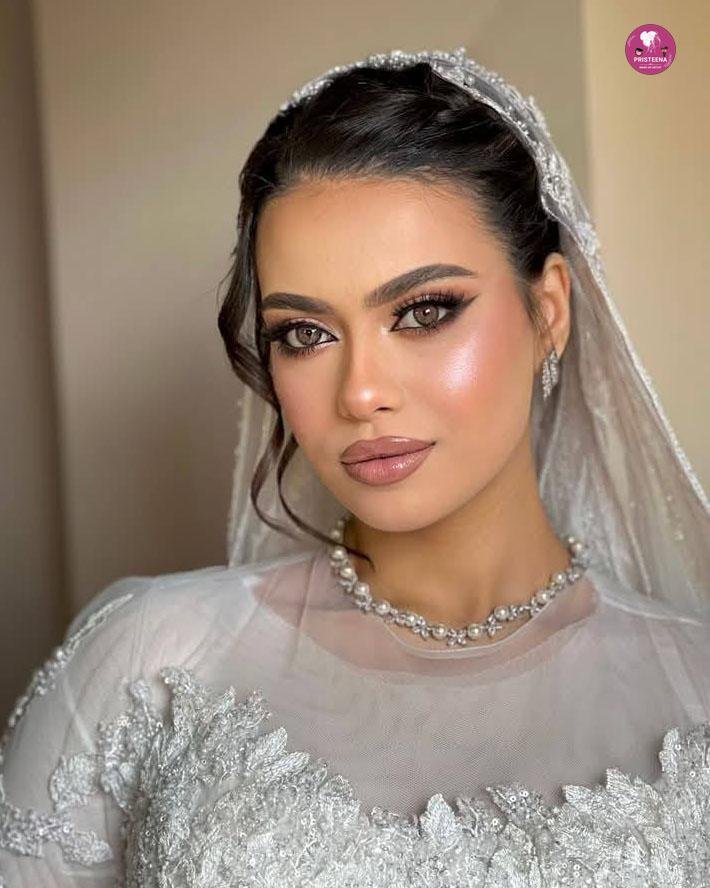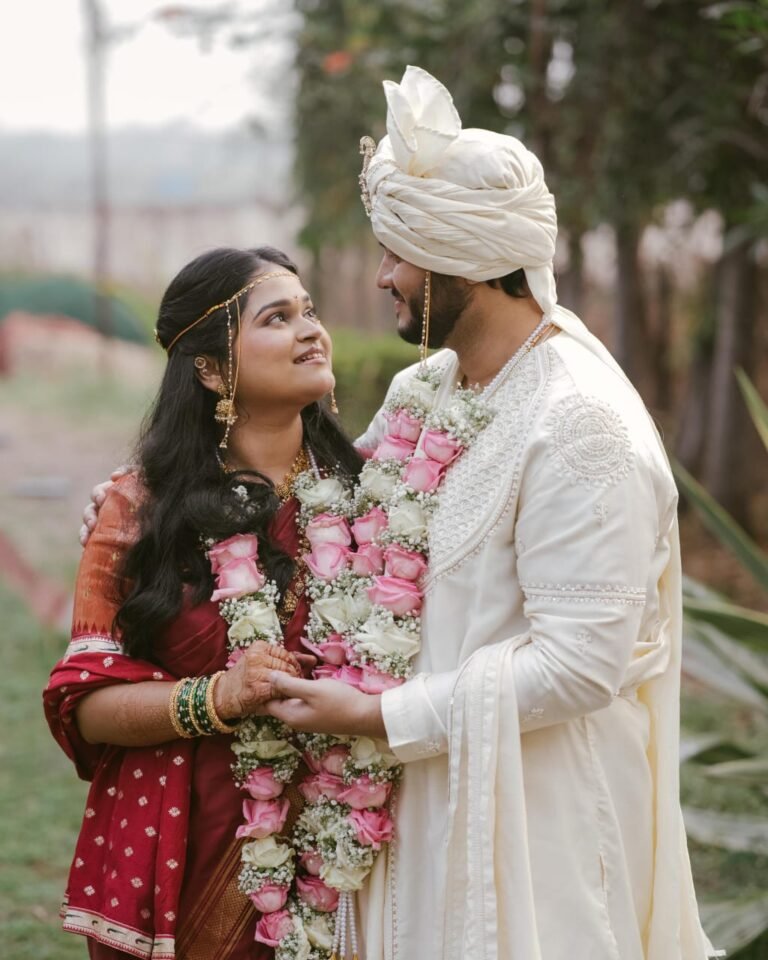


The Indian wedding industry is one of the largest and fastest-growing industries in the country. From intimate ceremonies to grand destination weddings, families are spending lakhs and even crores to make their big day unforgettable.
If you’ve ever dreamed of managing beautiful weddings, working with luxury decor, coordinating vendors, and building your own event business — becoming a wedding planner could be the perfect career for you.
In this guide, you’ll learn exactly how to become a wedding planner in India, step by step.

Who Is a Wedding Planner?
A wedding planner is a professional who manages and executes weddings from start to finish. They are responsible for planning, budgeting, coordinating vendors, and ensuring everything runs smoothly on the wedding day.
Think of a wedding planner as the CEO of the wedding.
From venue selection to decor execution and vendor negotiation, everything flows through the planner.
Why Wedding Planning Is a Growing Career in India
Indian weddings are not just ceremonies — they are multi-day celebrations. Even middle-class weddings often cost ₹15–30 lakhs, while destination weddings easily cross ₹1–5 crores.
With rising expectations and busy lifestyles, families prefer hiring professionals instead of managing everything themselves.
This is where wedding planners step in.
The demand is increasing in cities as well as destination wedding locations. If you build the right skills and systems, this industry can generate excellent income and long-term growth.
Skills Required to Become a Wedding Planner
You don’t necessarily need a degree, but you do need strong practical skills.
1. Communication Skills
You will deal with brides, grooms, families, vendors, and large teams. Clear and confident communication is essential.
2. Negotiation Skills
Vendors often quote higher prices. Your ability to negotiate directly impacts your profit margins.
3. Budget Management
You must know how to allocate funds properly without overspending.
4. Crisis Handling
Rain during an outdoor event? Vendor delay? Power issue? You must stay calm and find solutions instantly.
5. Networking Ability
Your vendor network is your backbone. Strong relationships mean smoother execution and better pricing.
Step-by-Step Guide to Become a Wedding Planner
Let’s break the process into actionable steps.
Step 1: Understand the Wedding Industry
Start by observing how weddings are structured — engagement, haldi, mehndi, sangeet, wedding ceremony, reception.
Study decor trends, catering styles, guest management systems, and execution timelines. Understanding how real weddings function is crucial.
Step 2: Gain Practical Experience
Before launching your own company, try working under an established wedding planner or event company.
This will teach you:
-
Vendor coordination
-
Budget breakdowns
-
Client handling
-
On-ground execution
-
Problem-solving in real situations
Practical exposure saves you from costly beginner mistakes.
Step 3: Build Your Vendor Network
Connect with:
-
Decorators
-
Caterers
-
Photographers
-
Makeup artists
-
DJs
-
Tent suppliers
Your vendor team determines your execution quality. Strong relationships also help you negotiate better rates.
Step 4: Create Your Portfolio
In today’s digital world, your Instagram profile is your showroom.
Start by:
-
Posting decor ideas
-
Sharing event clips
-
Uploading client testimonials
-
Showing behind-the-scenes execution
Without a portfolio, clients won’t trust you with big budgets.
Step 5: Start Small and Grow
Don’t immediately jump into luxury destination weddings.
Begin with:
-
Birthday events
-
Engagement ceremonies
-
Small weddings
Gradually scale your operations as your confidence and experience grow.
How Much Does a Wedding Planner Earn in India?
Income depends on experience and scale.
Beginner (Working for Company)
₹15,000–₹30,000 per month
Freelancer
₹50,000–₹2 lakh per wedding
Established Wedding Planner
₹5 lakh to ₹50 lakh per wedding (luxury events)
If you handle 10 weddings annually with an average fee of ₹2 lakh, that’s ₹20 lakh revenue per year.
The opportunity is real — but only if you build systems and structure.
Common Mistakes Beginners Make
Many aspiring wedding planners fail because of:
-
Not taking proper advance payments
-
Working without written agreements
-
Underestimating budgets
-
Poor vendor management
-
Overpromising to clients
Wedding planning looks glamorous on Instagram, but behind the scenes, it requires discipline, structure, and strong execution skills.
Do You Need a Course to Become a Wedding Planner?
Technically, no.
But practically — yes, if you want to avoid years of struggle.
Most beginners waste 2–3 years figuring things out through trial and error. They lose money due to poor vendor negotiation, unclear contracts, pricing mistakes, and client disputes.
A structured roadmap can save you time, money, and stress.
Instead of guessing, you can learn:
-
How to price your services
-
How to structure client payments
-
How to negotiate with vendors
-
How to manage large wedding budgets
-
How to get your first clients
-
How to scale your wedding planning business
Learn Wedding Planning the Right Way
If you are serious about building a career or starting your own wedding planning company, you can enroll in our structured Wedding Planning Program.
At SetMyWed, we have created a practical, step-by-step wedding planning course designed specifically for the Indian wedding industry.
Inside the program, you will learn:
-
Complete wedding planning workflow
-
Vendor management systems
-
Client agreement templates
-
Budget sheets and execution checklists
-
Real pricing strategies
-
Lead generation methods
-
Business scaling techniques
The program is designed not just to teach theory — but to help you build a profitable wedding planning business.
You can explore full details here:
👉 https://www.setmywed.com/wedding-planning.php
If you truly want to enter the wedding industry with clarity and confidence, this structured learning approach can accelerate your journey.
Final Thoughts
Becoming a wedding planner in India is more than just organizing events. It is about leadership, negotiation, management, creativity, and execution under pressure.
If you enjoy organizing, solving problems, and creating memorable experiences, this career can be both emotionally fulfilling and financially rewarding.
But remember — success comes from skill, structure, and strategy.
If you’re ready to take the first serious step toward building your wedding planning career, start learning the right way and build a strong foundation.
Your journey into the wedding industry can begin today. 💍✨
Frequently Asked Questions (FAQs)
1. Is wedding planning a good career in India?
Yes, wedding planning is a highly profitable and growing career in India. With weddings ranging from ₹15 lakhs to multiple crores, professional planners earn through fixed fees or percentage-based commissions. The industry continues to grow due to increasing demand for organized and stress-free weddings.
2. How much does a wedding planner earn in India?
A beginner working under a company may earn ₹15,000–₹30,000 per month. Freelancers can earn ₹50,000–₹2 lakhs per wedding. Established wedding planners handling luxury events can earn ₹5 lakhs to ₹50 lakhs per wedding depending on scale and experience.
3. Do I need a degree to become a wedding planner?
No, a specific degree is not mandatory. However, practical training, structured learning, and real wedding experience are essential to succeed in the industry.
4. How can I start a wedding planning business with no experience?
You can start by working under an experienced planner, building vendor connections, assisting in small events, and gradually creating your portfolio. Structured courses can also help you learn pricing, contracts, and execution systems faster.
5. What skills are required to become a successful wedding planner?
Key skills include communication, negotiation, budgeting, vendor management, problem-solving, networking, and crisis handling during live events.
6. How do wedding planners get clients?
Wedding planners get clients through Instagram marketing, referrals, listing platforms, paid advertisements, networking with vendors, and wedding marketplaces.
7. Can I become a wedding planner part-time?
Yes, many planners start part-time by managing small events or assisting senior planners before transitioning into full-time wedding planning.

Wedding planning stories and inspiration from SetMyWed.